
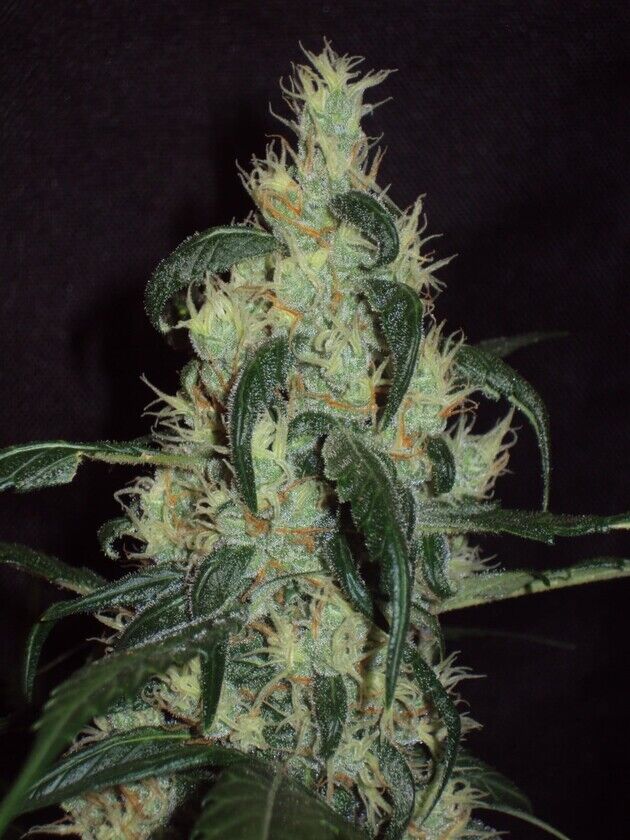
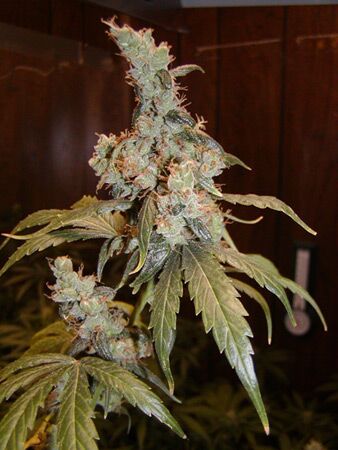
Afghan Haze Regular 15 seeds
Afghan Haze Regular – Afghan × Haze by Mr. Nice
What is Afghan Haze? Afghan Haze by Mr. Nice is a regular, photoperiod and Sativa-dominant hybrid of Afghan × Haze, which Nevil Schoenmakers developed as early as the beginning of the 90s. It flowers for around 10 weeks and, according to the strain description, yields 350 to 450 g/m² indoors; the manufacturer rates the THC content as medium to high. A lemony, spicy aroma with an earthy base and a clear, activating Haze effect with physical relaxation are typical. The strain is aimed at experienced growers who select from male and female plants – in the regular seeds category. Available in a pack of 15 seeds.
Sort Details
Manufacturer Information
Genetics & Origin of Afghan Haze
According to the strain description, Afghan Haze arose from the cross of a pure Afghan with a proven Haze male. The strain was developed as early as the early 90s by Nevil Schoenmakers; as the breeders, Mr. Nice names Nevil and Shantibaba. The result is a Sativa-dominant hybrid that is meant to combine the clarity and energy of Haze with the earthy depth and robustness of Afghan genetics. The manufacturer does not state percentages, and it describes the THC content as medium to high. The seeds are regular and photoperiod: male and female plants grow, and flowering only begins after the switch to 12/12. That is precisely what makes the strain interesting for selectors, because according to the manufacturer the best phenotypes offer an ideal balance of yield, potency and aroma. ASH (Afghan Skunk Haze) Regular also comes from Mr. Nice.
Who Is Afghan Haze For?
Afghan Haze is a strain for experienced growers – that is also how the manufacturer describes it. It suits:
- Experienced growers with an interest in Haze hybrids
- Selectors looking for the best among several phenotypes
- Hobby breeders who create their own crosses with male plants
- Greenhouse gardeners and growers in sun-drenched outdoor locations
- Lovers of classic old-school aromas with lemon, spice and earth
It is less suitable for a first grow, and if you want exclusively female plants without any selection work, you will not be happy with regular seeds. You can find more regular lines under Classics and Landraces.
Growing Afghan Haze: Indoor & Outdoor
Indoor Growing
For Afghan Haze, Mr. Nice states a flowering time of about 10 weeks – astonishingly practicable for a Haze strain, according to the strain description – and an indoor yield of 350 to 450 g/m². For late flowering, the manufacturer expressly recommends good air circulation. Information on plant height is missing. Because the seeds are regular, it is best to germinate more seeds than the number of plants you want to keep, determine the sex in pre-flowering and remove male plants unless pollination is planned. According to the manufacturer, selection pays off in terms of both flavour and effect. You will find the basics on climate and selection in the Growpedia.
Outdoor Growing
Outdoors and in the greenhouse, Afghan Haze is ready for harvest in mid-October in the northern hemisphere, according to Mr. Nice. The manufacturer states 350 to 450 g per plant and recommends above all the greenhouse or sun-drenched outdoor locations; in the greenhouse, the robust structure is considered particularly reliable. In regions with a damp autumn, rain protection for the final weeks makes sense. You can find more strains for open ground under regular outdoor seeds. Only grow where it is legal to do so.
Effect, Aroma & Flavour of Afghan Haze
According to Mr. Nice, the scent of Afghan Haze is lemony and spicy with an earthy base, the flavour tart with woody, lemony nuances. The manufacturer speaks of a classic old-school profile, intense without being overloaded; it does not name individual terpenes or a lab terpene profile. It describes the effect as a clear, activating Haze kick with physically relaxing depth – mentally invigorating and at the same time physically soothing. Compared with pure Haze strains, it highlights the additional body effect and the more controllable flowering time. Mr. Nice gives the THC content only as medium to high; a figure is missing. With regular seeds, individual plants can also differ. How intense the effect is depends on phenotype, dose and individual tolerance.
Note: Effect information is based on manufacturer data and user experience and does not constitute medical advice.
Why Buy Afghan Haze Regular at United Seedbanks?
If you order Afghan Haze Regular, you should know who you are buying from: United Seedbanks is an established specialist shop for cannabis seeds and stocks Mr. Nice as a permanent part of its range.
- Original seeds from Mr. Nice – Afghan Haze as a regular pack of 15 from the breeder's catalogue.
- Advice from a specialist retailer – we help if you are torn between several strains or pack sizes.
- Discreet shipping – neutral packaging and free delivery from €100.
- Payment of your choice – credit card, bank transfer or Bitcoin.
- Fresh, verified seeds – professionally stored for a dependable germination rate.
That way you get Afghan Haze Regular from a reliable source. You can find more strains from this breeder on the Mr. Nice page.
Frequently Asked Questions about Afghan Haze Regular
Do only female plants grow from Afghan Haze?
No. Afghan Haze by Mr. Nice is regular seed and produces male and female plants. The sex is determined in pre-flowering.
Is Afghan Haze suitable for beginners?
Not really. We list it as a strain for experienced growers, and the strain description is also expressly aimed at experienced growers who enjoy selecting.
How long does Afghan Haze flower?
Around 10 weeks. Outdoors and in the greenhouse, harvest falls in mid-October in the northern hemisphere, according to the manufacturer.
What yield does Afghan Haze deliver?
Mr. Nice states 350 to 450 g/m² indoors and 350 to 450 g per plant outdoors or in the greenhouse.
Who bred Afghan Haze?
According to the strain description, Nevil Schoenmakers developed the strain in the early 90s from a pure Afghan and a Haze male. As the breeders, Mr. Nice names Nevil and Shantibaba.