


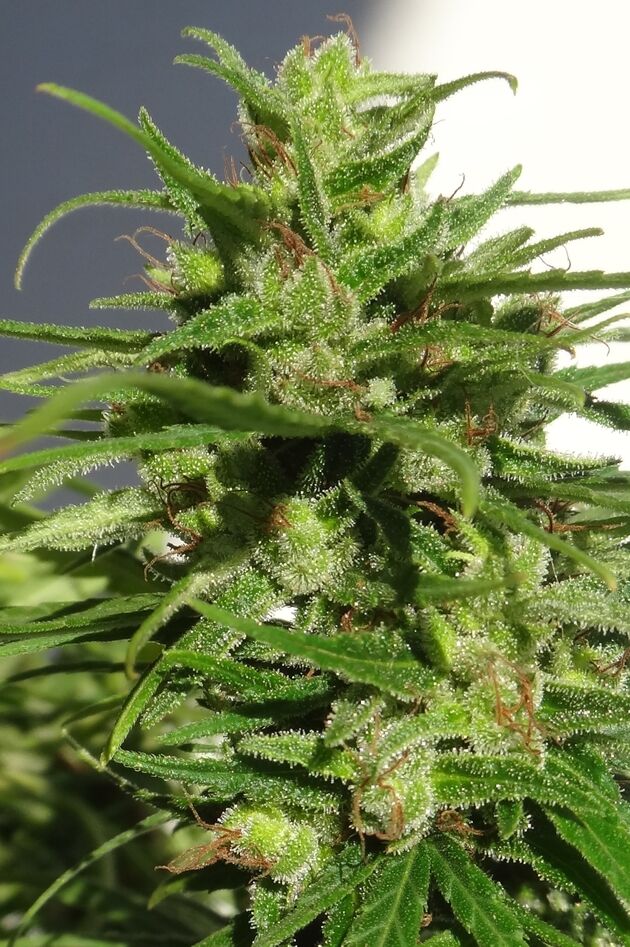
Ethiopian Standard Regular 10 seeds
Ethiopian Standard Regular – Pure Ethiopian Sativa with THCV
What is Ethiopian Standard? Ethiopian Standard by Ace Seeds is a regular, photoperiod and 100% pure Sativa from Ethiopia in its third generation. It flowers for 13 to 14 weeks indoors and ripens in the third week of November outdoors; the manufacturer states 8 to 12% THC, under 1% CBD and a THCV content of 2%. Tall, heavily branched plants, earthy, woody aromas and a clear, uplifting effect of medium strength are typical. It suits Sativa lovers, preservationists and breeders with plenty of patience – in the regular Sativa strains category. Available in a pack of 10 seeds.
Sort Details
Manufacturer Information
Genetics & Origin of Ethiopian Standard
Ethiopian Standard is a pure tropical Sativa from Africa: Ace Seeds offers it in the third generation as a pure Ethiopian line, and the ratio is 100% Sativa. The breeder sees its value above all for lovers of pure Sativas and for preservationists. In the cannabinoid profile, it states 8 to 12% THC, under 1% CBD and 0.6% CBG; analyses also showed a THCV content of 2%. The African Sativa phenotype with tall, vigorous, flexible plants, heavy branching and long internodes is typical. As regular seed, the strain produces male and female plants; Ace Seeds also calls it interesting for the development of vigorous, high-yielding Sativa hybrids. From the breeder's catalogue we also stock Malawi Regular and Congo Regular.
Who Is Ethiopian Standard For?
Ethiopian Standard is a strain for collectors and Sativa purists. It suits:
- Lovers of pure Sativas looking for a clear, active effect
- Preservationists who want to preserve a pure Ethiopian line
- Breeders who use male and female plants for Sativa hybrids
- Growers in a tropical, subtropical or Mediterranean coastal climate
- Consumers who prefer an effect of medium strength during the day
It is less suitable for anyone who wants to harvest quickly or has little space: 13 to 14 weeks of flowering and the tall growth demand patience and room. You can find more original lines under Classics and Landraces.
Growing Ethiopian Standard: Indoor & Outdoor
Indoor Growing
Indoors, Ethiopian Standard flowers for 13 to 14 weeks. According to Ace Seeds, growing indoors succeeds with strong light intensity and enough space. The breeder recommends sending the plants into flower 15 days after sowing or starting with cuttings that have been rooted for at least 7 days. For flowering, it advises 11 hours of light and 13 hours of darkness in order to avoid excessive stretching in early flowering. In the vegetative phase, the NPK values should stay mild; later, the PK share is increased. With regular seeds, you determine the sex in pre-flowering. You will find the basics in the Growpedia.
Outdoor Growing
Outdoors, Ethiopian Standard ripens in the third week of November. Ace Seeds therefore names a tropical or subtropical climate or a warm coastal climate such as on the Mediterranean as a prerequisite and gives latitudes 0 to 40. The manufacturer describes excellent resilience to humidity, fungi, wind and heat; it rates the resistance to botrytis as very high, to powdery mildew as high and to cold as average to high. According to the manufacturer, with proper cultivation the yield is high to very high both indoors and outdoors; it does not give figures. Only grow where it is legal to do so.
Effect, Aroma & Terpenes of Ethiopian Standard
Ethiopian Standard smells earthy and woody, as Ace Seeds describes it for African Sativas, joined by floral, musky and fermented citrus notes. The breeder gives a detailed terpene profile: among the monoterpenes, above all a lot of alpha-pinene, followed by beta-myrcene, trans-ocimene and beta-pinene, in some cases with small amounts of limonene and terpinolene. Among the sesquiterpenes, beta-caryophyllene dominates ahead of alpha-humulene, occasionally accompanied by a little trans-nerolidol. Ace Seeds describes the effect as a classic African Sativa effect: clean, mental, uplifting and positive, of medium strength and without mental or physical heaviness – suitable for the daytime and for activities. The THC content is 8 to 12%, plus 2% THCV. How intense the effect is depends on dose and individual tolerance.
Note: Effect information is based on manufacturer data and user experience and does not constitute medical advice.
Why Buy Ethiopian Standard Regular at United Seedbanks?
If you order Ethiopian Standard Regular, you should know who you are buying from: United Seedbanks is an established specialist shop for cannabis seeds and stocks Ace Seeds as a permanent part of its range.
- Original genetics from Ace Seeds – Ethiopian Standard as regular seeds from the breeder in a pack of 10.
- Advice from a specialist retailer – we help if you are torn between several strains or pack sizes.
- Discreet shipping – neutral packaging and free delivery from €100.
- Payment of your choice – credit card, bank transfer or Bitcoin.
- Fresh, verified seeds – professionally stored for a dependable germination rate.
That way you get Ethiopian Standard Regular from a reliable source. You can find more strains from this breeder on the Ace Seeds page.
Frequently Asked Questions about Ethiopian Standard Regular
Does Ethiopian Standard produce male and female plants?
Yes. Ethiopian Standard is regular seed, which produces male and female plants. You determine the sex in pre-flowering.
How long does Ethiopian Standard flower?
Indoors, 13 to 14 weeks. Outdoors, according to Ace Seeds, it only ripens in the third week of November.
How much THC and THCV does Ethiopian Standard contain?
Ace Seeds states 8 to 12% THC, under 1% CBD and 0.6% CBG. Analyses also showed a THCV content of 2%.
In what climate does Ethiopian Standard ripen fully outdoors?
According to Ace Seeds, in a tropical or subtropical climate or in a warm coastal climate such as on the Mediterranean; the breeder gives latitudes 0 to 40. Ripening only falls in the third week of November.
What light duration does Ace Seeds recommend for flowering?
Indoors, 11 hours of light and 13 hours of darkness. This is intended to promote flowering and avoid excessive stretching in early flowering.