
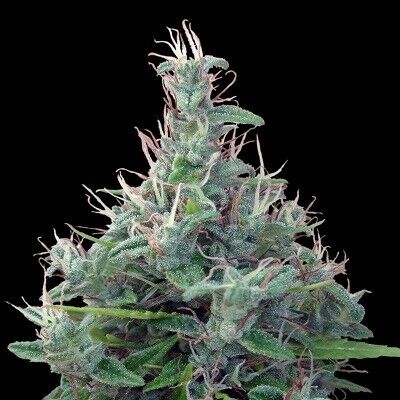
Lebanese Regular 5 seeds
Lebanese Regular – CBD-Rich Sativa Landrace by Ace Seeds
What is Lebanese? Lebanese by Ace Seeds is a regular, photoperiod landrace: a pure Lebanese Sativa of the third generation with 100% Sativa. The breeder states 0.5 to 8% THC and 6 to 16% CBD, an indoor flowering time of 9 to 11 weeks and ripeness outdoors from late September to early October. The medium-sized, very heat-resistant plant smells sweet and floral and, according to Ace Seeds, has a clean, cheerful and gentle effect. The seeds produce male and female plants; the strain suits outdoor growers, collectors and breeders – in the Classics and Landraces category. Available in a pack of 5 seeds.
Sort Details
Manufacturer Information
Genetics & Origin of Lebanese
Lebanese is the plant behind the legendary Lebanese hashish: according to Ace Seeds, the strain is known for producing red and blonde Lebanese hash. The breeder lists the line as a pure Lebanese Sativa of the third generation, 100% Sativa; according to the strain description, it was refined through breeding and selection over more than a decade. The cannabinoid profile is unusual: 0.5 to 8% THC is set against 6 to 16% CBD, and the CBG content is below 0.2%. Added to this is a semi-autoflowering tendency – the plants begin to flower after about a month and a half and ripen earlier than most Sativas. The seeds are regular, so they produce male and female plants; Ace Seeds expressly sees the line as a breeding tool for vigorous outdoor hybrids. Also from Ace Seeds are HashTonic CBD Regular and Moroccan Beldia Kif.
Who Is Lebanese For?
Lebanese is a landrace with a character of its own and plenty of CBD. It suits:
- Outdoor growers in hot, dry locations
- Collectors who want to preserve pure landraces
- Hobby breeders looking for a heat-resistant, CBD-rich line for their own crosses
- Lovers of classic hash aromas
- Consumers who prefer a gentle effect with little THC and plenty of CBD
It is less suitable for purely indoor growing: according to Ace Seeds, the line is not yet fully stabilised for indoor photoperiods. Anyone who wants to do without selecting by sex is likewise less well served by regular seeds. You can find more regular Sativas under regular Sativa strains.
Growing Lebanese: Indoor & Outdoor
Indoor Growing
Growing indoors is possible but is not this line's strength: Ace Seeds points out that Lebanese is not yet fully stabilised for photoperiods under artificial light. The breeder gives the flowering time as 9 to 11 weeks and the yield, without a figure, as average to high. For mother plants it recommends long light periods of 20/4 or more, because the strain can begin to flower prematurely if the light phases are too short. Feeding is moderate throughout the entire cycle, with slightly raised PK levels in the first two thirds of flowering. Determine the sex in pre-flowering and remove male plants if pollination is not wanted. You will find the basics on this in the Growpedia.
Outdoor Growing
Outdoors, according to Ace Seeds, Lebanese thrives in hot, dry climate zones with low humidity, for example in Mediterranean or subtropical regions. The breeder rates the heat resistance as very high and the resistance to botrytis as average. The plants stay medium-sized, branch heavily and ripen from late September to early October. Because of the semi-autoflowering tendency, Ace Seeds advises using large pots from the start so that the plants grow as much as possible before flowering. Only grow where it is legal to do so.
Effect, Aroma & Flavour of Lebanese
During flowering, Lebanese smells sweet and floral; according to Ace Seeds, mango notes are added during curing. The smoke carries the traditional scent of blonde hashish, reminiscent of Moroccan hash, and tastes woody, sweet and sour. The manufacturer does not state a lab terpene profile. The breeder describes the high as clean, cheerful and pleasant, uplifting and energetic – a gentle experience that does not last all that long and suits the daytime, social occasions and outdoor activities. At 0.5 to 8%, the THC content is low, and at 6 to 16% the CBD content is high; with these ranges, it is not possible to predict what the ratio will be in an individual plant. The intensity also depends on dose and individual tolerance.
Note: Effect information is based on manufacturer data and user experience and does not constitute medical advice.
Why Buy Lebanese Regular at United Seedbanks?
If you order Lebanese Regular, you should know who you are buying from: United Seedbanks is an established specialist shop for cannabis seeds and stocks Ace Seeds as a permanent part of its range.
- Original seeds from Ace Seeds – Lebanese as regular seeds in the breeder's pack of 5.
- Advice from a specialist retailer – we help if you are torn between several strains or pack sizes.
- Discreet shipping – neutral packaging and free delivery from €100.
- Payment of your choice – credit card, bank transfer or Bitcoin.
- Fresh, verified seeds – professionally stored for a dependable germination rate.
That way you get Lebanese Regular from a reliable source. You can find more strains from this breeder on the Ace Seeds page.
Frequently Asked Questions about Lebanese Regular
Do Lebanese seeds produce only female plants?
No. Lebanese is regular seed and produces male and female plants. That makes it interesting for selection and for your own crosses.
How much THC and CBD does Lebanese contain?
Ace Seeds states 0.5 to 8% THC and 6 to 16% CBD, plus less than 0.2% CBG.
What does the semi-autoflowering tendency mean?
According to Ace Seeds, Lebanese begins to flower after about a month and a half and ripens earlier than most Sativas. The breeder therefore recommends large pots from the outset and, for mother plants, light periods of 20/4 or more.
When is Lebanese harvested?
Indoors, it flowers for 9 to 11 weeks. Outdoors, Ace Seeds states late September to early October.
Which climate is Lebanese suited to?
Hot, dry regions with low humidity, such as Mediterranean or subtropical locations. The breeder rates the heat resistance as very high and the cold resistance as average to high.