
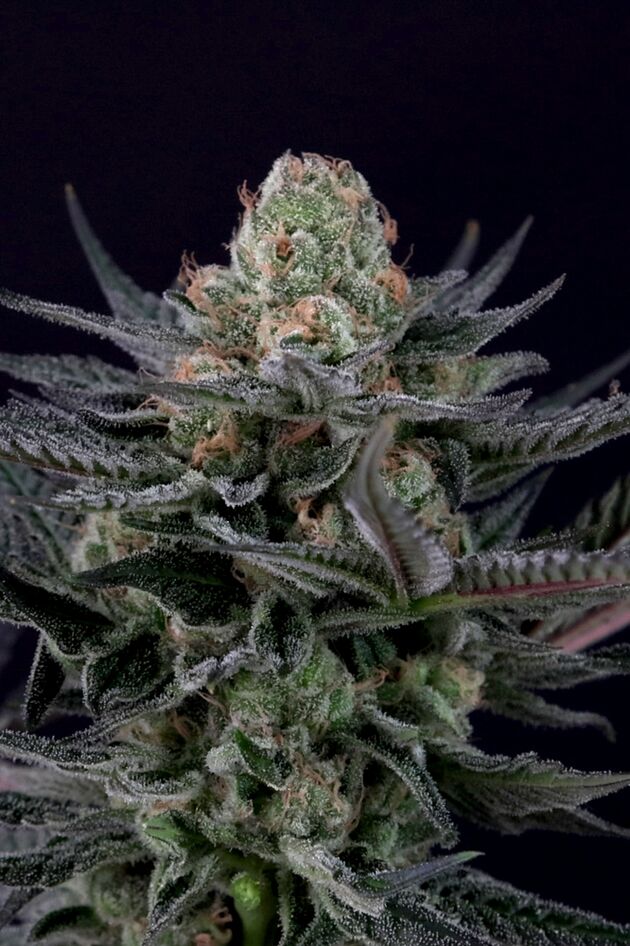
Caramba 3 seeds
Caramba Seeds – Wappa × Gelato 33 with 24% THC
What is Caramba? Caramba by Paradise Seeds is a feminised, photoperiod hybrid of Wappa × Gelato 33 with slight Indica dominance and 24% THC. Indoors it is finished after 55 to 60 days of flowering and stays medium-sized; the manufacturer estimates the yield at 600 g/m². Outdoors it ripens in early October. Purple foliage, hard flowers and a flavour of strawberry, orange and a little diesel characterise the strain, and the effect is considered uplifting and sociable. Paradise Seeds describes growing it as easy, so Caramba suits beginners just as much as old hands – in the cannabis seeds for beginners category. Available in packs of 3 and 10 seeds.
Sort Details
Manufacturer Information
Genetics & Origin of Caramba
With Caramba, Paradise Seeds adds a purple-flowering line to its Wappa family. The in-house Wappa – according to the breeder its most popular hybrid, with award-winning traits – was crossed with a particularly sticky-sweet phenotype of Gelato 33. According to the manufacturer, the Gelato side contributes additional resin, an intensified aroma and more potency; the breeder credits the Wappa family with great resilience and good all-round growth characteristics. Paradise Seeds calls the result a stable, exotic hybrid with slight Indica dominance and 24% THC. There is no exact Indica/Sativa ratio and no CBD value. The seeds are feminised and photoperiod. According to the breeder, it is meant to appeal to fans of the original Wappa, of Tangerine Sorbet and of Mendocino Skunk.
Who Is Caramba For?
Caramba combines exotic looks with good-natured growth. It suits:
- Beginners, to whom the manufacturer promises a forgiving strain
- Growers who want to harvest after 55 to 60 days of flowering
- Outdoor gardeners in cooler as well as southern locations
- Fans of purple flowers and fruity citrus-strawberry aromas
- Consumers looking for a stimulating strain for the daytime and for company
It is less suitable if you can only check your plants rarely: according to the breeder, hermaphrodite flowers can develop under stress. You can find more potent lines under Super High THC Content.
Growing Caramba: Indoor & Outdoor
Indoor Growing
Paradise Seeds rates the difficulty level as easy: plants of the Wappa family forgive beginners' mistakes, while practised growers bring out the full potential. In the grow room, Caramba stays medium-sized and compact, follows an Indica growth pattern and is ripe after 55 to 60 days of flowering; the yield is estimated at 600 g/m². The breeder's team advises a little pruning so that the flowers get air and the plant does not become top-heavy, and lollipopping after five weeks of flowering, in which the lower branches below 30 cm are removed. The manufacturer's note that exotic strains can tend towards hermaphroditism under stress is important – so check the lower branches regularly for pollen sacs. More on this in the tips for beginners.
Outdoor Growing
Outdoors, according to Paradise Seeds, Caramba shows the versatility of the Wappa family: it copes with different climate zones, temperatures and altitudes and is considered very resilient. Between the 50th parallel north and south it is finished in early October; the manufacturer estimates 900 g per plant. The further south, the larger the flowers become, but the harvest is said to be convincing in cooler regions too. Only grow where it is legal to do so.
Effect, Aroma & Terpenes of Caramba
According to Paradise Seeds, the terpene profile of Caramba is limonene-heavy. During growth, the skunky base of the Wappa line dominates, complemented by an orangey citrus sharpness; the smell is intense but, according to the breeder, more discreet than with the original Wappa. Dried flowers keep the skunk-citrus scent, and in the flavour strawberry and orange with diesel notes are added. Despite slight Indica dominance, the manufacturer does not describe a paralysing effect but an uplifting, energising high that suits an evening with friends just as well as creative hours at home – and also works during the day. At 24% THC, Caramba is strong. How strongly you feel the effect depends on dose and tolerance.
Note: Effect information is based on manufacturer data and user experience and does not constitute medical advice.
Why Buy Caramba at United Seedbanks?
At United Seedbanks you buy Caramba as original genetics from Paradise Seeds. As a specialist shop for cannabis seeds, we place great importance on provenance, storage and transparent information about every strain.
- Original genetics from Paradise Seeds – Caramba from the breeder's Wappa family, as a pack of 3 or 10 feminised seeds.
- A real specialist shop – reachable in person if you have questions about a strain or your order.
- Discreet shipping – neutral, protected packaging; free shipping from an order value of €100.
- Secure payment methods – credit card, bank transfer or Bitcoin.
- Careful storage – seeds kept cool and dry for optimal germination conditions.
Anyone ordering Caramba from United Seedbanks buys verified original seeds. Learn more about this breeder's range on the Paradise Seeds page.
Frequently Asked Questions about Caramba
Is Caramba suitable for beginners?
Yes. Paradise Seeds gives the difficulty level as easy and describes the strain as forgiving; in the shop it is rated for beginners and professionals. Even so, make sure conditions are low-stress, because the breeder points out possible hermaphroditism.
How does Caramba differ from Wappa?
Caramba is a cross of Wappa with Gelato 33. According to Paradise Seeds, it brings more resin, more potency, purple colouring and a more discreet smell in the grow room.
How long does Caramba flower?
Indoors, 55 to 60 days. Outdoors, it is finished in early October between the 50th parallel north and south.
What yield does the manufacturer state for Caramba?
An estimated 600 g/m² indoors and 900 g per plant outdoors.
Why does the breeder recommend lollipopping?
After five weeks of flowering, the branches below 30 cm are to be removed. This opens up the plant and, according to Paradise Seeds, helps to prevent problems with pollen sacs on the lower branches.