
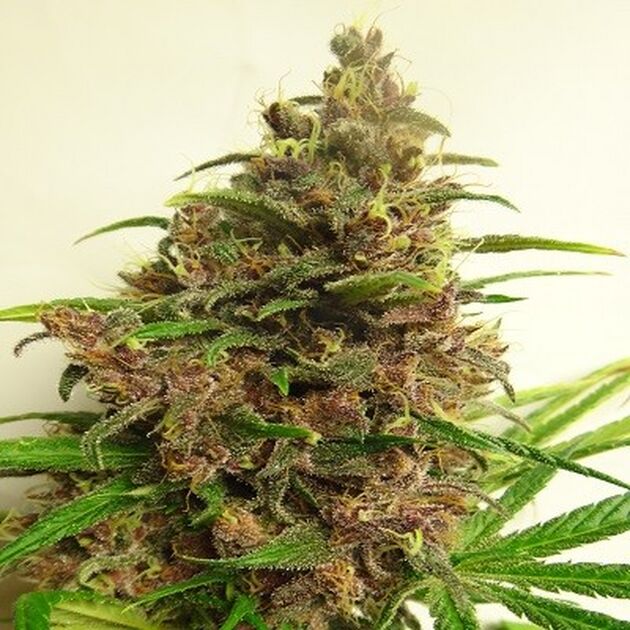
Malawi x PCK 5 seeds
Malawi x PCK Seeds – Robust F1 Hybrid by Ace Seeds
What is Malawi x PCK? Malawi x PCK by Ace Seeds is a feminised, photoperiod F1 hybrid of Old Malawi Killer × Pakistan Chitral Kush with 60% Sativa and 40% Indica. Indoors it flowers for 9 to 11 weeks, outdoors it ripens in the second to third week of October; the breeder rates the yield as high and gives the THC content as 18.16%. Forest-fruit aromas, frequently chestnut-brown colours and a strong, long-lasting effect are typical. With high resistance to fungi, rain and cold, it suits outdoor growers – in the feminised outdoor seeds category. Available in a pack of 5 seeds.
Sort Details
Manufacturer Information
Genetics & Origin of Malawi x PCK
Ace Seeds counts Malawi x PCK among the most complete Sativa/Indica hybrids in its own catalogue – in terms of yield, potency, resistance, terpene diversity and resin production. For the F1 hybrid, the breeder pollinated the mother “Old Malawi Killer” with a purple elite line of Pakistan Chitral Kush. It gives the ratio as 60% Sativa and 40% Indica, along with 18.16% THC, under 0.05% CBD and 1.3 to 1.6% CBG. The structure is branched and open like that of a Sativa, combined with the strength of an Indica. Compared with the sister strain Violeta, which grows more compact and columnar and flowers faster, Ace Seeds describes Malawi x PCK as more vigorous and higher-yielding, with stronger branching – in return, flowering takes one to two weeks longer. The seeds are feminised and photoperiod. You will also find Malawi from the same breeder in our range.
Who Is Malawi x PCK For?
Malawi x PCK is a versatile hybrid for indoors and outdoors. It suits:
- Outdoor growers in changeable climates who need resistance to powdery mildew, botrytis and rain
- SOG and SCROG growers: according to the breeder, it carries a lot on the main cola and on the side branches
- Those interested in terpenes who value a precisely described, terpinolene-rich profile
- Lovers of colourful flowers with a forest-fruit aroma
- Consumers looking for a long-lasting, strong effect
It is less suitable if you want to harvest quickly: flowering takes up to 11 weeks, and outdoors it ripens as late as the third week of October. You can find Sativa-leaning alternatives under Sativa strains.
Growing Malawi x PCK: Indoor & Outdoor
Indoor Growing
Indoors, Ace Seeds states a flowering time of 9 to 11 weeks and a high yield; the breeder does not give a figure in g/m² or a height. According to the manufacturer, the strain is very well suited to Sea of Green because the main cola carries a lot, and equally to SCROG, horizontal growing or nets, as the side branches are productive too and the plant responds vigorously to pruning. Medium-high to high nutrient levels are recommended throughout the entire cycle. Ace Seeds rates the resistance to spider mites as medium to high and to whitefly as high. Because of the branched, open structure, plan for enough space. There is more on training methods in the Growpedia.
Outdoor Growing
Outdoors, according to Ace Seeds, Malawi x PCK is ready for harvest in the second to third week of October. The breeder credits it with excellent adaptability up to the 45th parallel, in warm and cold, dry and wet climates alike, and rates the resistance to powdery mildew, botrytis, cold and heat as high in each case. The manufacturer does not state a yield per plant. Central Europe lies for the most part north of the 45th parallel and thus outside this recommendation; there, a greenhouse is the safer choice. Only grow where it is legal to do so.
Effect, Aroma & Terpenes of Malawi x PCK
Ace Seeds distinguishes two phenotypes: the purple one smells and tastes of forest-fruit bubblegum with a strong background of fermented lemon, while the green one is more honey-sweet and caramel-like. The breeder describes the terpene profile as complex and rich in monoterpenes: above all terpinolene (40%), plus alpha-pinene (18%), beta-myrcene (11.5%), beta-pinene (11%) and limonene (9%) as well as some ocimene (4%). Among the sesquiterpenes, beta-caryophyllene dominates, followed by humulene and guaiol. Ace Seeds calls the effect overwhelming and complex, a Sativa/Indica effect that lasts around four hours. The figures given are 18.16% THC, under 0.05% CBD and 1.3 to 1.6% CBG. How intensely you experience it depends on dose and individual tolerance.
Note: Effect information is based on manufacturer data and user experience and does not constitute medical advice.
Why Buy Malawi x PCK at United Seedbanks?
If you order Malawi x PCK, you should know who you are buying from: United Seedbanks is an established specialist shop for cannabis seeds and stocks Ace Seeds as a permanent part of its range.
- Original genetics from Ace Seeds – Malawi x PCK as the breeder's feminised F1 hybrid in a pack of 5.
- Advice from a specialist retailer – we help if you are torn between several strains or pack sizes.
- Discreet shipping – neutral packaging and free delivery from €100.
- Payment of your choice – credit card, bank transfer or Bitcoin.
- Fresh, verified seeds – professionally stored for a dependable germination rate.
That way you get Malawi x PCK from a reliable source. You can find more strains from this breeder on the Ace Seeds page.
Frequently Asked Questions about Malawi x PCK
What does PCK stand for in Malawi x PCK?
For Pakistan Chitral Kush, the Indica side of the cross. Ace Seeds used it to pollinate the mother “Old Malawi Killer”.
How long does Malawi x PCK flower?
9 to 11 weeks indoors after the switch to 12/12. Outdoors, the breeder gives the second to third week of October as harvest time.
How does Malawi x PCK differ from Violeta?
According to Ace Seeds, Violeta grows more compact and flowers faster. Malawi x PCK is more vigorous, more branched and higher-yielding but needs one to two weeks longer.
Is Malawi x PCK resistant to mould?
Ace Seeds rates the resistance to powdery mildew and botrytis as high and also states a high resistance to fungi and rain.
Up to which latitude can Malawi x PCK be grown outdoors?
The breeder recommends outdoor growing between the equator and the 45th parallel, in warm and cold, dry and wet climates alike.