
Growpedia · Tips for Beginners · Chapter 11
The Secret of Aroma and Flavor
A Journey into the Chemistry of Cannabis
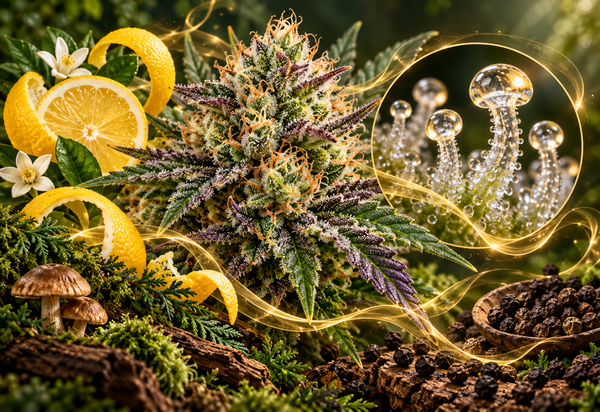
A Journey into the Chemistry of Cannabis
The unique aroma and flavor profiles of cannabis are created by the interaction of various plant compounds. Terpenes play a particularly important role – aromatic compounds produced in the plant's trichomes alongside cannabinoids.
Terpenes largely determine whether a strain smells and tastes earthy, fruity, spicy, citrusy, or floral. At the same time, they can influence how the effects of a cannabis strain are perceived.
Cannabinoids such as THC and CBD are primarily responsible for the characteristic effects of cannabis. Unlike terpenes, pure cannabinoids have little to no typical cannabis aroma.
THC is mainly known for its psychoactive effects, while CBD is non-intoxicating and is often associated with relaxing and balancing properties.
In addition to terpenes and cannabinoids, cannabis also contains flavonoids. These secondary plant compounds contribute to color and, in some cases, flavor. Some flavonoids are also being studied for their antioxidant and inflammation-modulating properties.
The true character of a cannabis strain does not come from a single compound, but from the interaction of its entire chemical profile. This concept is commonly known as the entourage effect.
Cannabinoids, terpenes, and flavonoids may interact with one another and create a more complex effect and aroma profile than isolated compounds on their own.
Modern cannabis breeding is therefore placing greater emphasis on a plant's chemotype. This refers not only to THC or CBD levels, but to the complete interaction of cannabinoids and terpenes.
Two strains with similar THC levels can therefore differ significantly in aroma and perceived effects. This chemical diversity is one of the main reasons cannabis can produce such a wide range of different scents, flavors, and effect profiles.
The individual character of a cannabis strain is created by the complex interaction of numerous plant compounds. Terpenes shape aroma and flavor, cannabinoids determine a large part of the effects, and flavonoids contribute to the overall chemical profile.
It is the interaction of these compounds that makes each genetic line unique and explains why even strains with similar cannabinoid levels can smell, taste, and feel completely different.
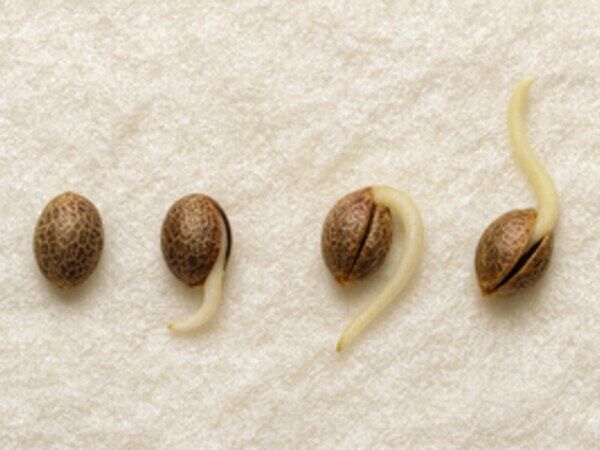
Germination is the crucial first step in growing cannabis, during which the seed awakens from dormancy and begins developing a root and its first leaves. The …
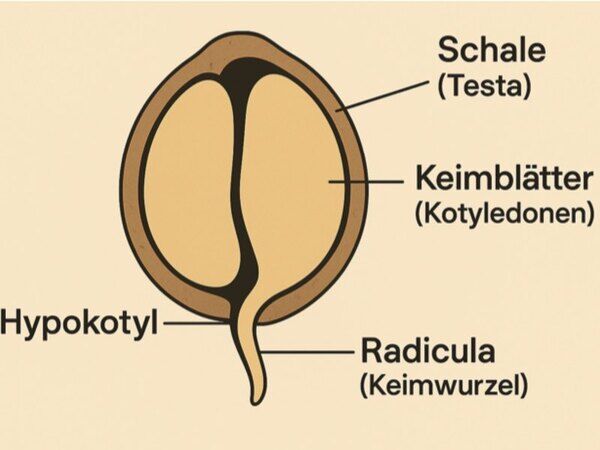
The cannabis seed is the biological foundation of every cannabis plant. It contains all the genetic information and nutrient reserves required for the …
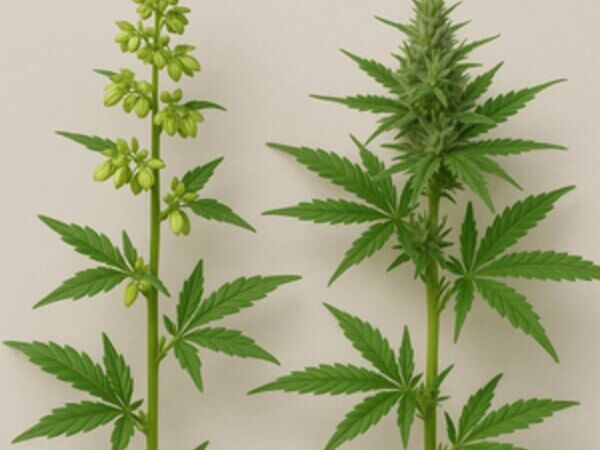
Sex determination in cannabis is a complex interaction between genetics (XX female, XY male) and environmental factors. Genetic predisposition can be …